Discover Iconic Sci-Fi Books That Will Transport You Beyond Imagination
- Jul 27
- 4 min read
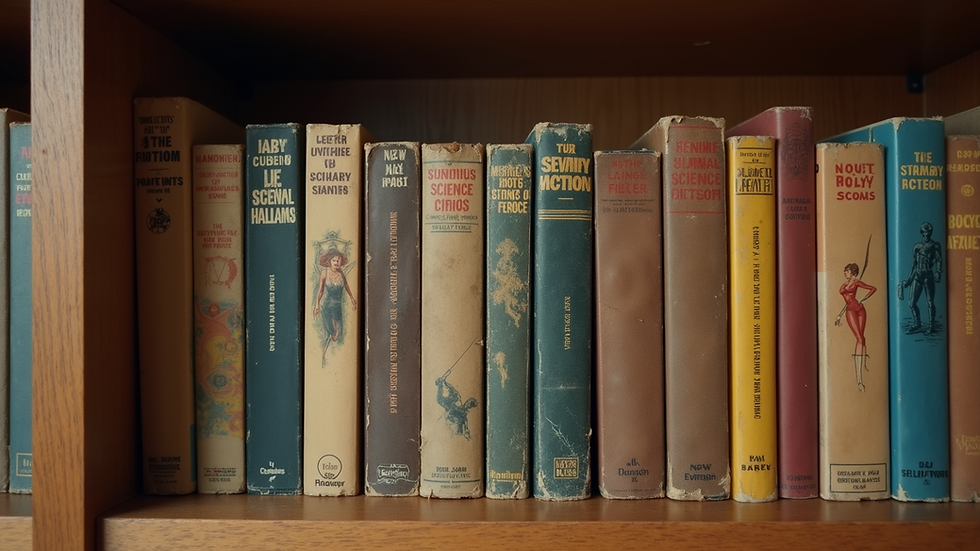
There’s something magical about diving into a science fiction book. The way it stretches your mind, pulling you into worlds where technology and humanity collide, where alien landscapes unfold, and where the future feels both thrilling and uncertain. I’ve always found myself captivated by these stories, especially those that explore AI, quantum physics, and the mysteries of alien encounters. If you’re like me, searching for that next unforgettable read, you’re in the right place. Let’s embark on a journey through some of the most iconic sci-fi books that have shaped the genre and continue to inspire readers worldwide.
Exploring Iconic Sci-Fi Books That Shaped the Genre
When I think about iconic sci-fi books, a few titles immediately come to mind. These stories have not only entertained but also challenged our understanding of reality and technology. Take Dune by Frank Herbert, for example. It’s a sprawling epic set on a desert planet where politics, ecology, and mysticism intertwine. The vivid descriptions of Arrakis’ harsh environment make you feel the grit of the sand and the heat of the sun. Herbert’s world-building is so immersive that you almost hear the whisper of the sandworms beneath your feet.
Another classic is Neuromancer by William Gibson. This novel practically invented the cyberpunk genre, painting a neon-lit future where hackers navigate virtual realities. The gritty, rain-soaked streets and the hum of technology create a sensory experience that’s both thrilling and unsettling. It’s a perfect example of how sci-fi can blend the digital and the human in ways that feel eerily prescient.
And then there’s The Left Hand of Darkness by Ursula K. Le Guin, a masterpiece that explores gender and society on a distant planet. Le Guin’s prose is poetic, and her world is so richly imagined that you can almost feel the cold wind of the ice planet Gethen on your skin. These books aren’t just stories; they’re invitations to think deeply about who we are and where we might be headed.
What Makes These Iconic Sci-Fi Books So Enduring?
I often wonder why certain sci-fi books become timeless classics while others fade away. It’s not just about futuristic gadgets or alien worlds. The best stories tap into universal questions and emotions. They explore what it means to be human in a rapidly changing universe. For instance, 2001: A Space Odyssey by Arthur C. Clarke isn’t just about space travel; it’s a meditation on evolution, intelligence, and the unknown.
These books also excel at blending scientific ideas with compelling narratives. They don’t just explain concepts like AI or quantum physics; they weave them into the fabric of the story, making complex ideas accessible and exciting. This balance of intellect and imagination is what keeps readers coming back.
Moreover, iconic sci-fi often challenges societal norms and pushes boundaries. Whether it’s Philip K. Dick’s exploration of reality and identity in Do Androids Dream of Electric Sheep? or Octavia E. Butler’s powerful examinations of race and power in Kindred, these stories provoke thought and conversation long after the last page is turned.
Which is the Best Sci-Fi Book?
Choosing the best sci-fi book is like picking a favorite star in a vast galaxy - it depends on what you’re looking for. For me, The Three-Body Problem by Liu Cixin stands out. It’s a brilliant blend of hard science and philosophical inquiry, exploring first contact with an alien civilization through the lens of quantum physics and astrophysics. The narrative is gripping, and the scientific concepts are mind-bending yet beautifully explained.
If you prefer something more character-driven, The Martian by Andy Weir offers a thrilling survival story grounded in real science. The humor and ingenuity of the protagonist make it a page-turner that also celebrates human resilience and creativity.
For those fascinated by AI, Exhalation by Ted Chiang is a collection of thought-provoking short stories that delve into consciousness, free will, and the nature of reality. Chiang’s writing is precise and poetic, inviting readers to ponder profound questions in a compact form.
Ultimately, the best sci-fi book is the one that sparks your curiosity and stays with you, making you see the world a little differently.

How to Choose Your Next Sci-Fi Adventure
With so many incredible options, picking your next read can feel overwhelming. Here are a few tips that have helped me:
Identify Your Interests - Are you drawn to AI, space exploration, or alien encounters? Narrowing your focus can guide you to books that resonate deeply.
Read Reviews and Summaries - Sometimes a quick glance at what others say can reveal hidden gems or warn you away from less engaging reads.
Try Short Stories or Novellas - If you’re new to sci-fi or want a quick taste, short stories can offer powerful experiences without a huge time commitment.
Join a Community - Online forums, book clubs, or social media groups dedicated to sci-fi can provide recommendations and lively discussions.
Explore Different Eras - Classic sci-fi offers foundational ideas, while contemporary works often tackle modern issues with fresh perspectives.
By mixing these approaches, you’ll find a rich variety of stories that keep your imagination soaring.
The Ever-Expanding Universe of Sci-Fi Literature
Science fiction is a genre that never stands still. New voices and ideas continually emerge, expanding the boundaries of what’s possible. Writers like Robert Adamson, with his Not From Earth series, are pushing the envelope by blending profound questions about reality and technology with compelling storytelling. It’s exciting to see how these fresh perspectives add layers to the genre, inviting readers to explore not just distant galaxies but the very nature of existence.
As technology advances and our understanding of the universe deepens, sci-fi will continue to evolve. Whether it’s through exploring AI ethics, quantum realities, or the mysteries of alien life, these stories offer a mirror to our hopes, fears, and dreams.
If you’re ready to dive deeper into this fascinating world, I highly recommend checking out a curated list of the best science fiction books that can guide your next literary adventure.
Exploring iconic sci-fi books is more than just reading; it’s a journey into the unknown, a chance to question and imagine. So, what will your next adventure be? Will you traverse the deserts of Arrakis, hack into cyberspace, or ponder the quantum fabric of reality? The universe of science fiction awaits, ready to surprise and inspire.


Comments